
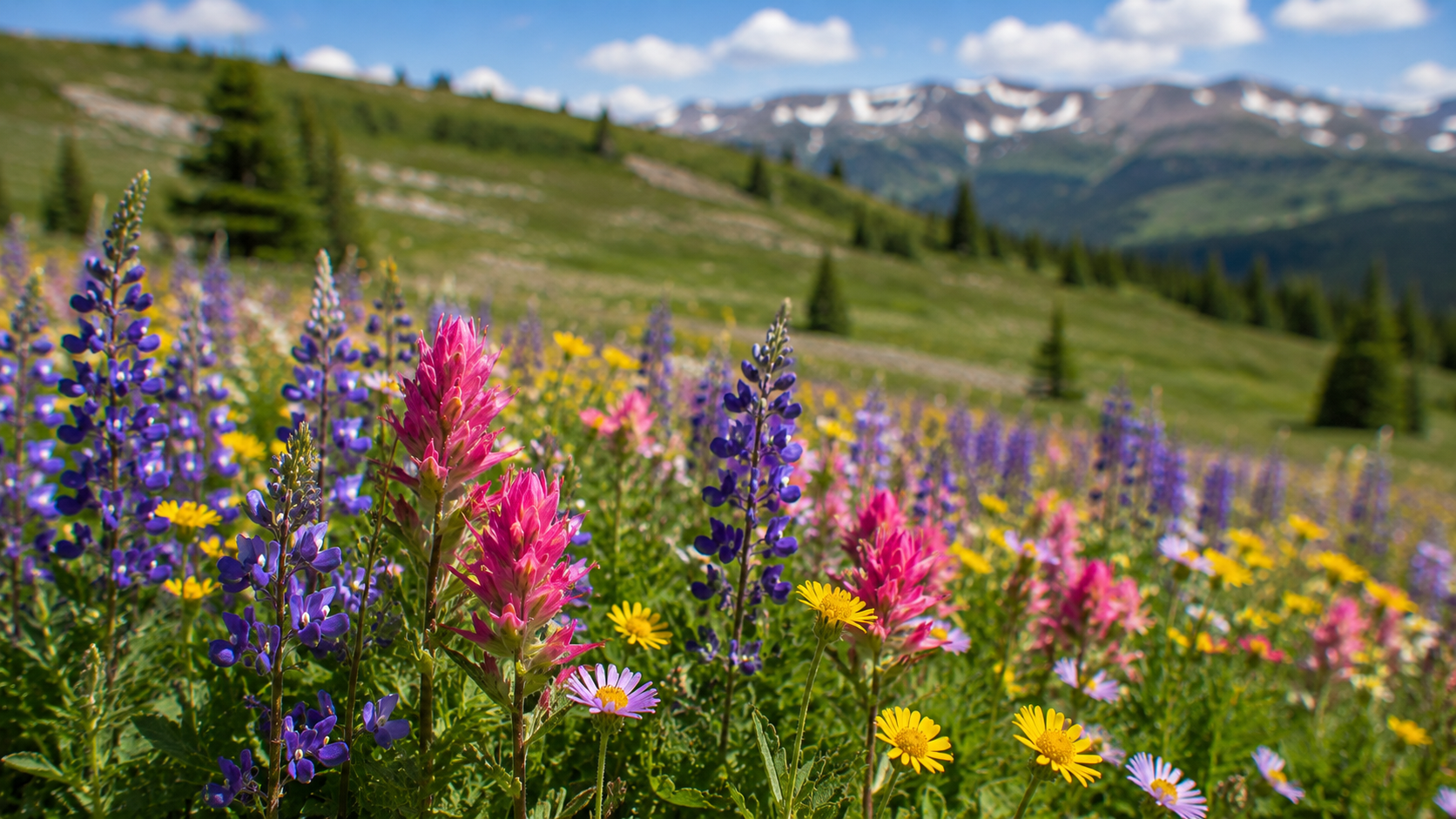
Wildflowers of Breckenridge and Summit County
Wildflower season in the Colorado high country is one of the shortest, and most spectacular, seasons of the year. As the snow melts across the mountains surrounding Breckenridge, trails and alpine meadows burst into color with everything from bright Indian Paintbrush and towering lupine to tiny tundra blooms tucked between the rocks above treeline. Whether you’re hiking, photographing, or simply slowing down to take in the scenery, this guide will help you identify some of the most iconic Colorado wildflowers and know when and where to spot them throughout Summit County.
Alpine Daisies
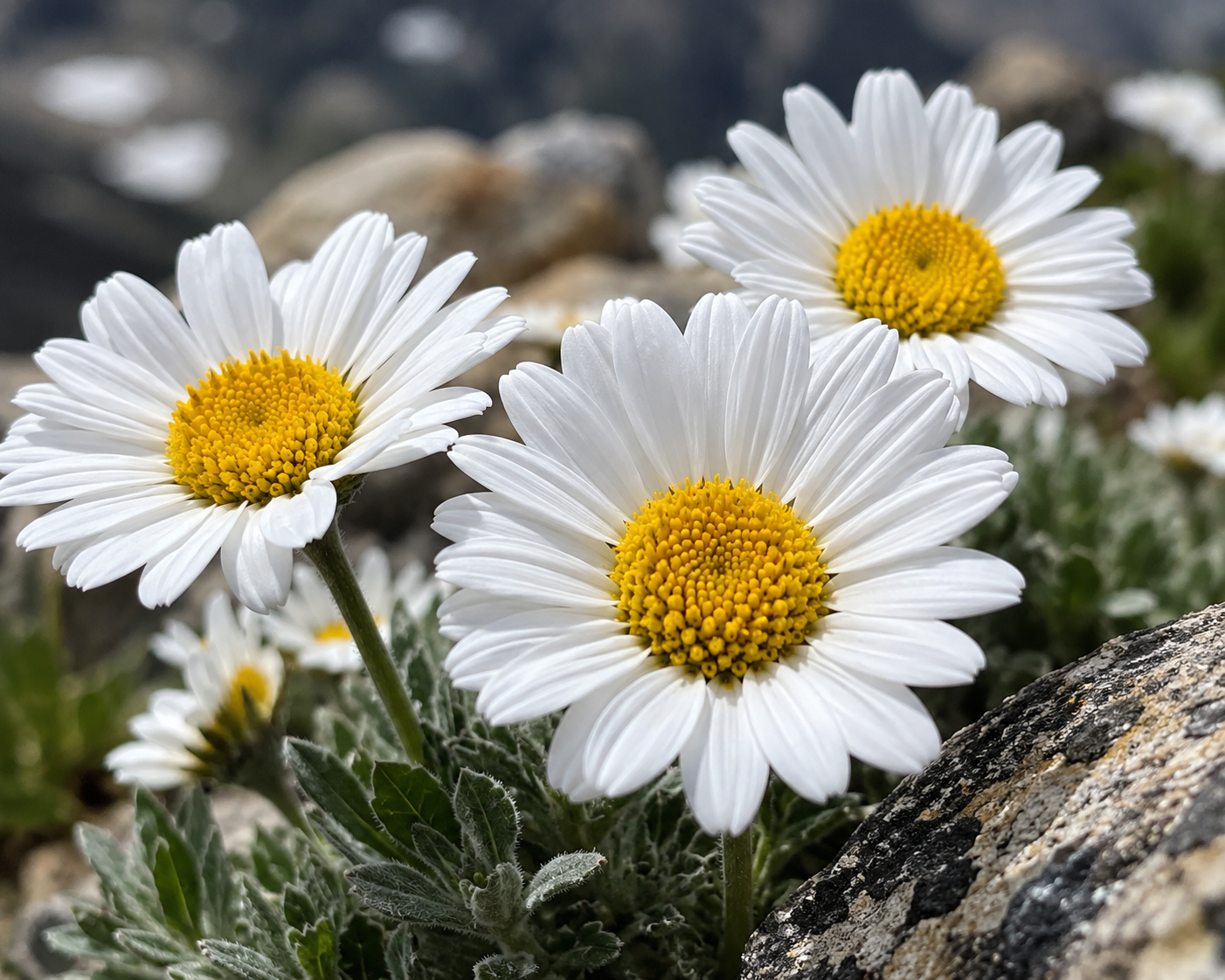
These cheerful white flowers with sunny yellow centers brighten high-elevation meadows and alpine tundra landscapes throughout summer.
Typical Elevation: 10,500 - 13,000 Feet
Best Time to See: July - August
Fun Fact About Alpine Daisies: Many alpine daisy species close their petals at night or during storms to protect pollen from harsh mountain weather.
Alpine Forget-Me-Nots
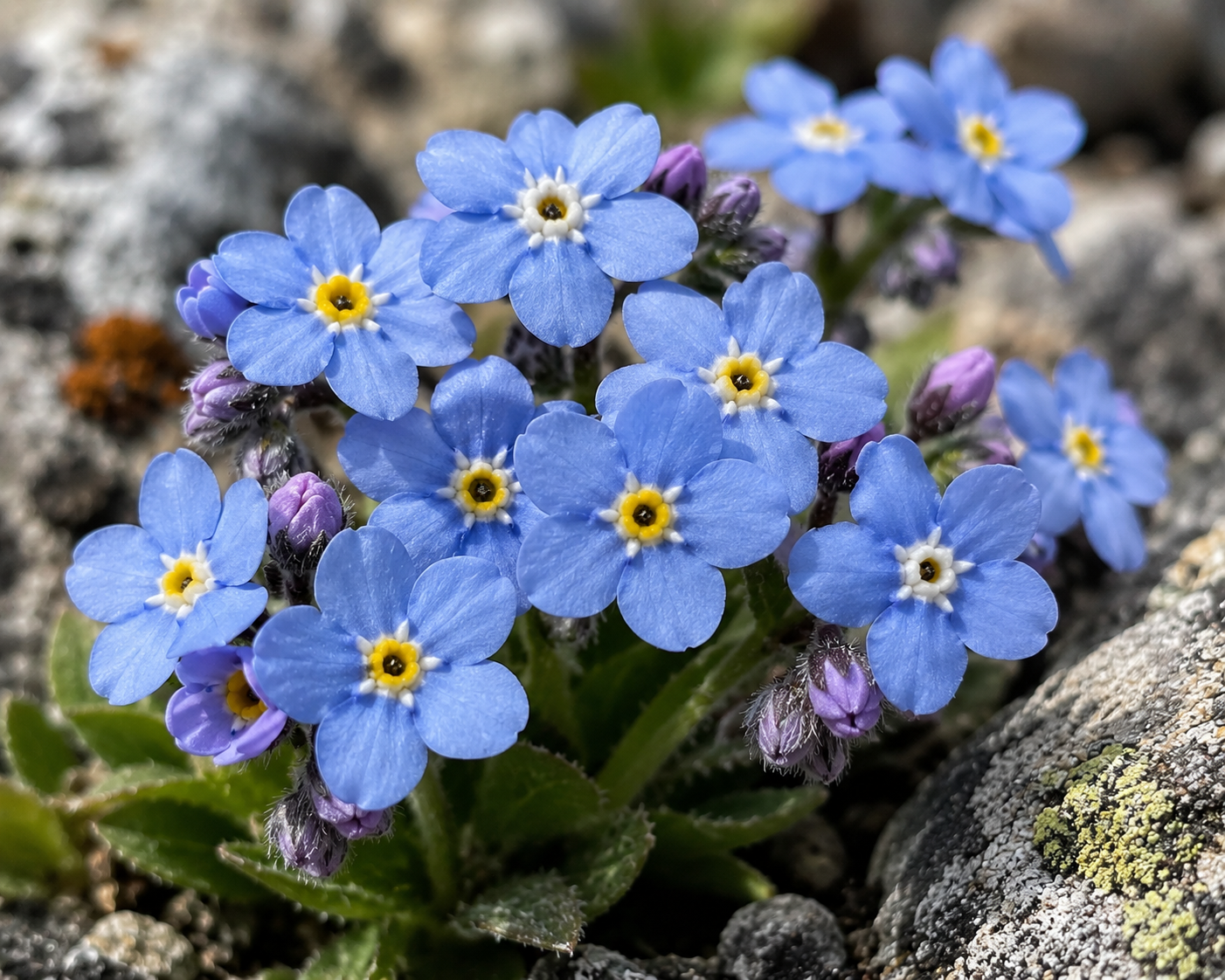
Tiny sky-blue blooms make alpine forget-me-nots a favorite among wildflower photographers, especially near streams and rocky alpine slopes.
Typical Elevation: 10,000 - 13,000 Feet
Best Time to See: July - August
Fun Fact About Alpine Forget-Me-Nots: Their bright blue color helps attract pollinators in the short alpine growing season, where flowers have only a few weeks to bloom before winter returns.
Alpine Sunflowers
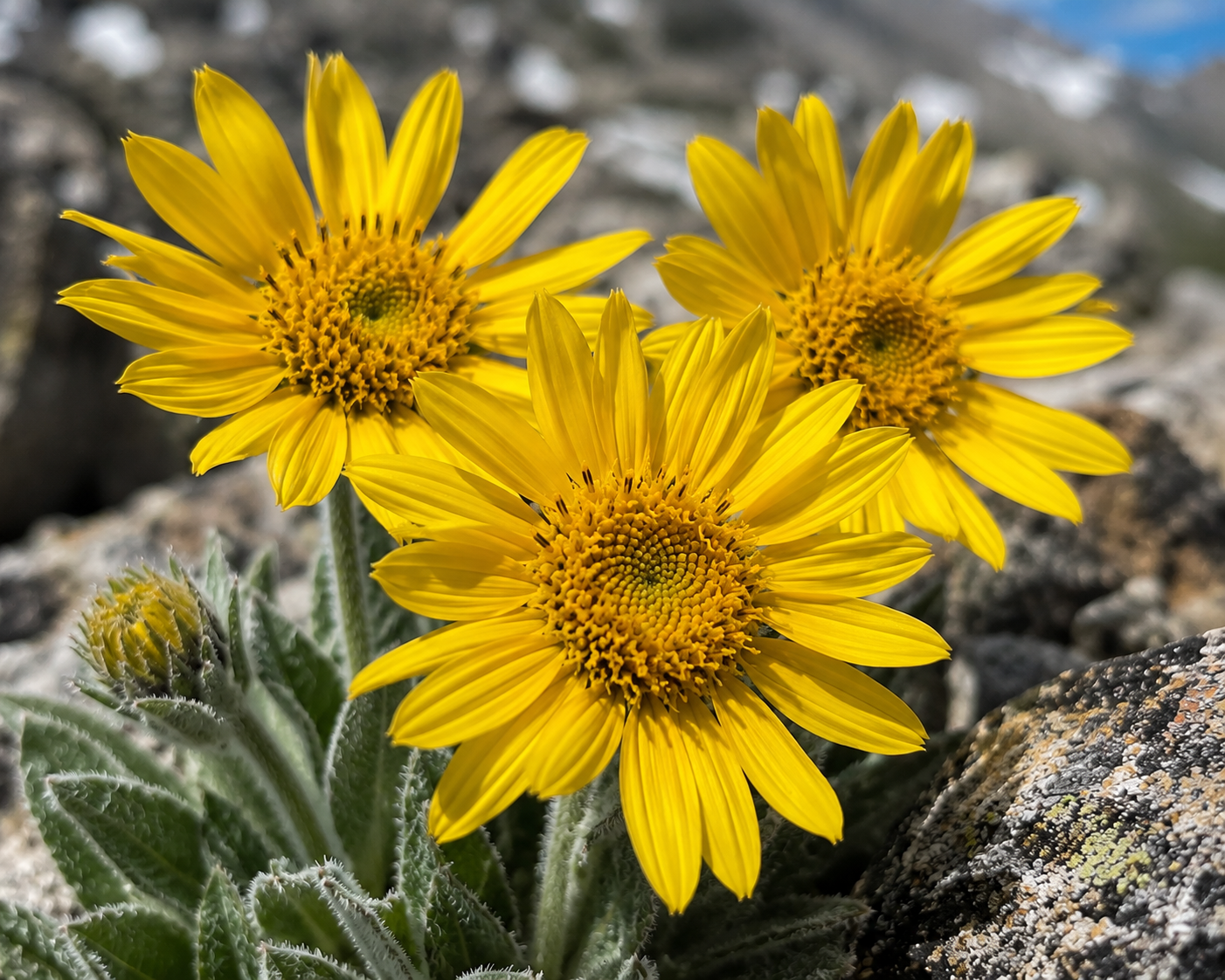
These bright yellow blooms thrive in rocky alpine terrain and sunny mountain slopes, adding vibrant bursts of color above treeline.
Typical Elevation: 10,500 - 13,500 Feet
Best Time to See: July - August
Fun Fact About Alpine Sunflowers: Because of Colorado’s intense high-altitude sunlight, alpine sunflowers often appear even more vibrant than their lower-elevation relatives.
Asters
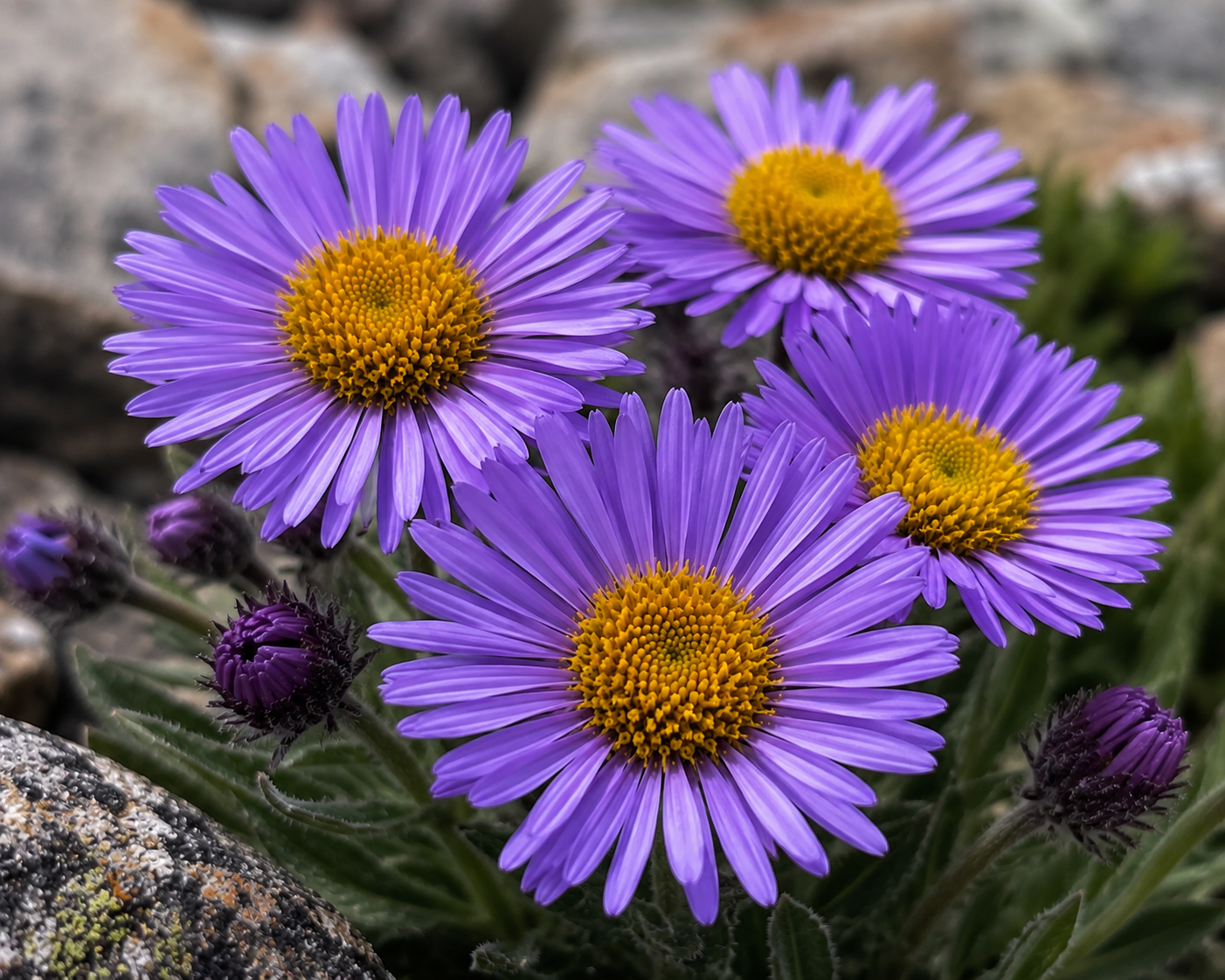
Blooming later in the season, asters feature daisy-like purple, blue, or white flowers that attract butterflies and pollinators.
Typical Elevation: 8,000 - 12,500 Feet
Best Time to See: August - September
Fun Fact About Asters: Asters are one of the last major wildflowers to bloom before fall, bringing late-season color to Summit County trails well into September.
Bluebells
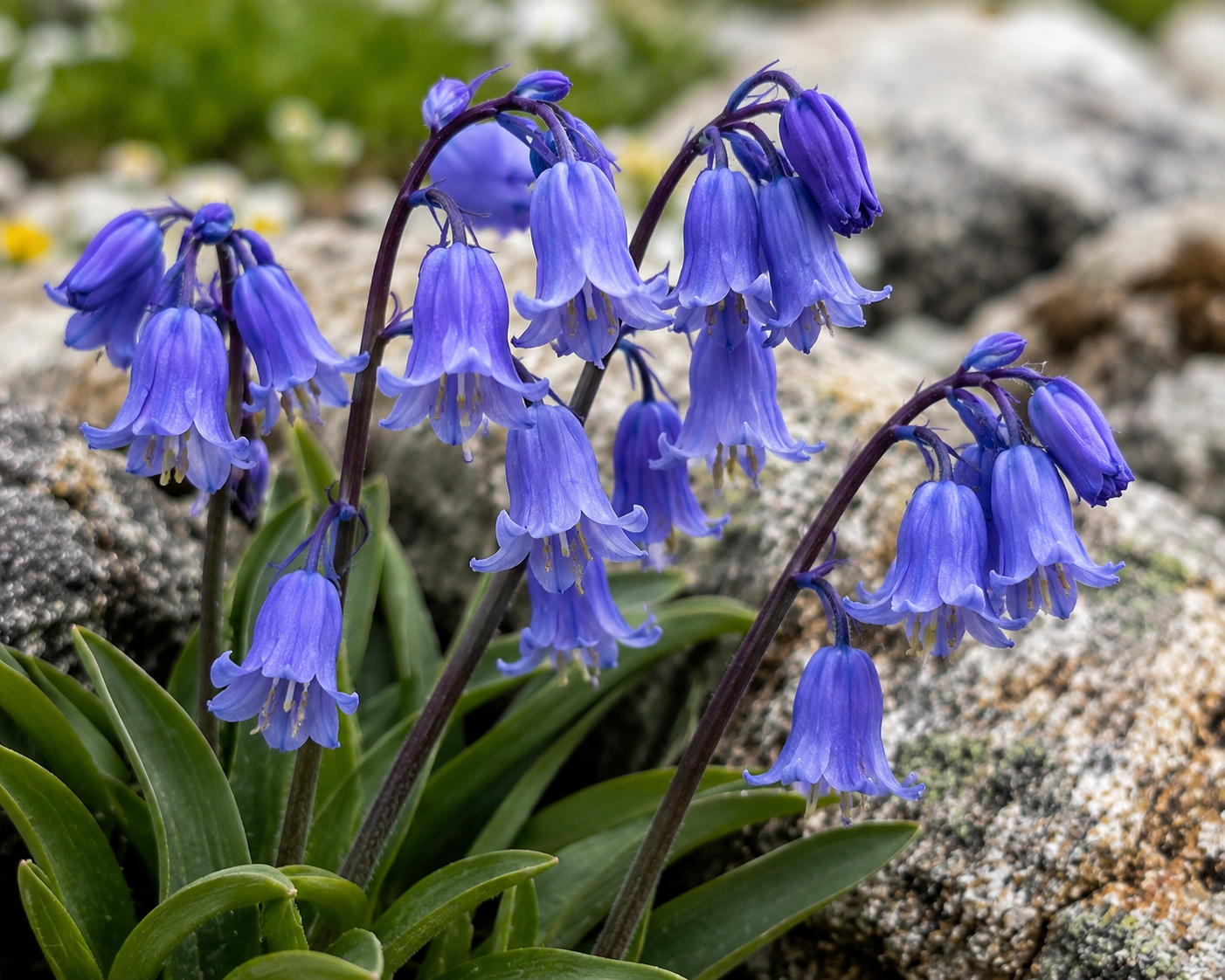
Bluebells feature clusters of drooping, bell-shaped flowers in shades of deep blue and violet, commonly found near streams and moist woodland areas.
Typical Elevation: 8,500 - 11,500 Feet
Best Time to See: June - July
Fun Fact About Bluebells: Bluebells are especially common near creeks and snowmelt areas because they thrive in the moist soil created by Colorado’s long winters.
Cinquefoil
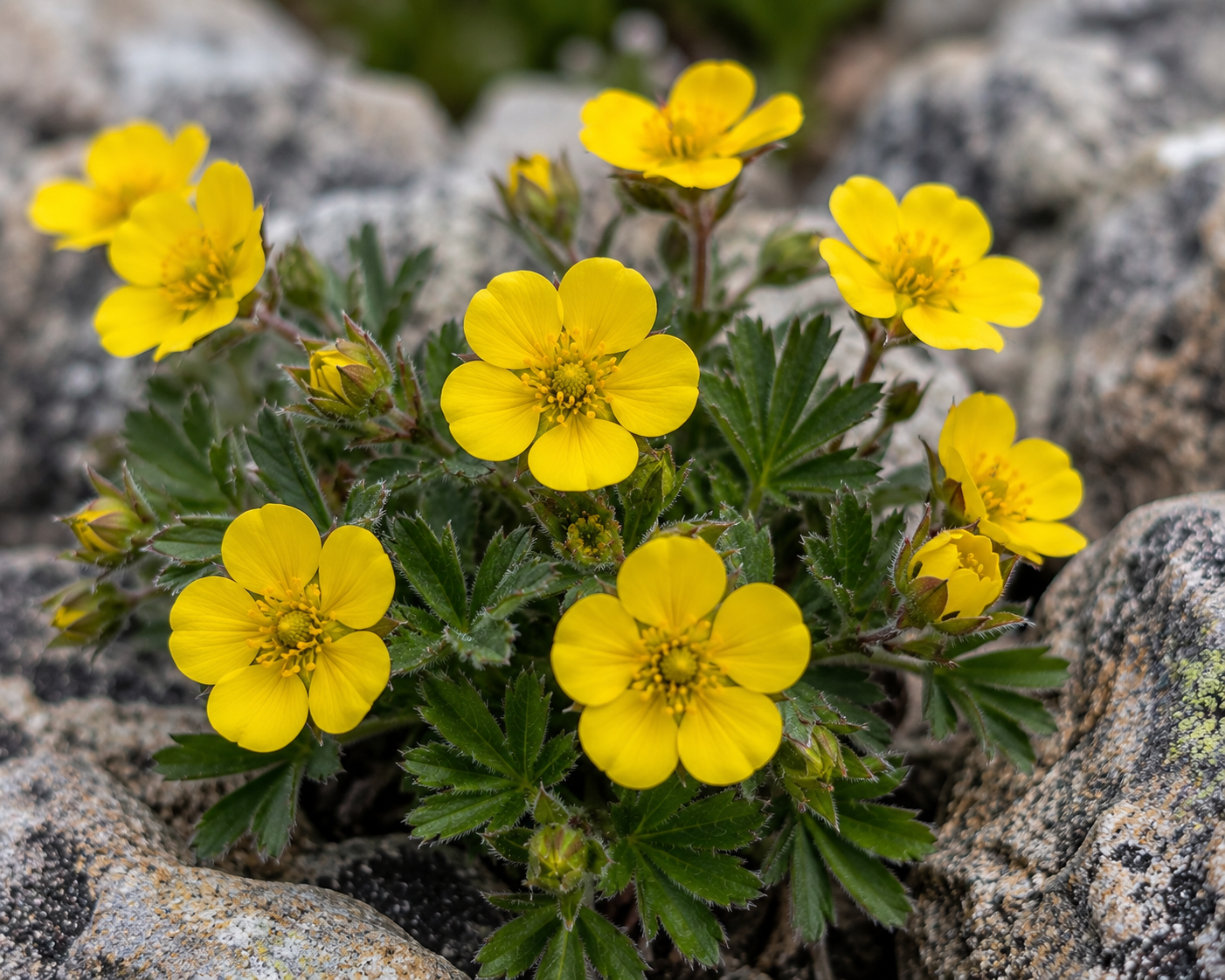
Cinquefoil features bright yellow five-petaled flowers and hardy foliage that thrives in rocky soils and alpine tundra.
Typical Elevation: 9,000 - 13,000 Feet
Best Time to See: June - August
Fun Fact About Cinquefoil: The name “cinquefoil” comes from the French words for “five leaves,” referencing the plant’s five-part leaf structure.
Columbine
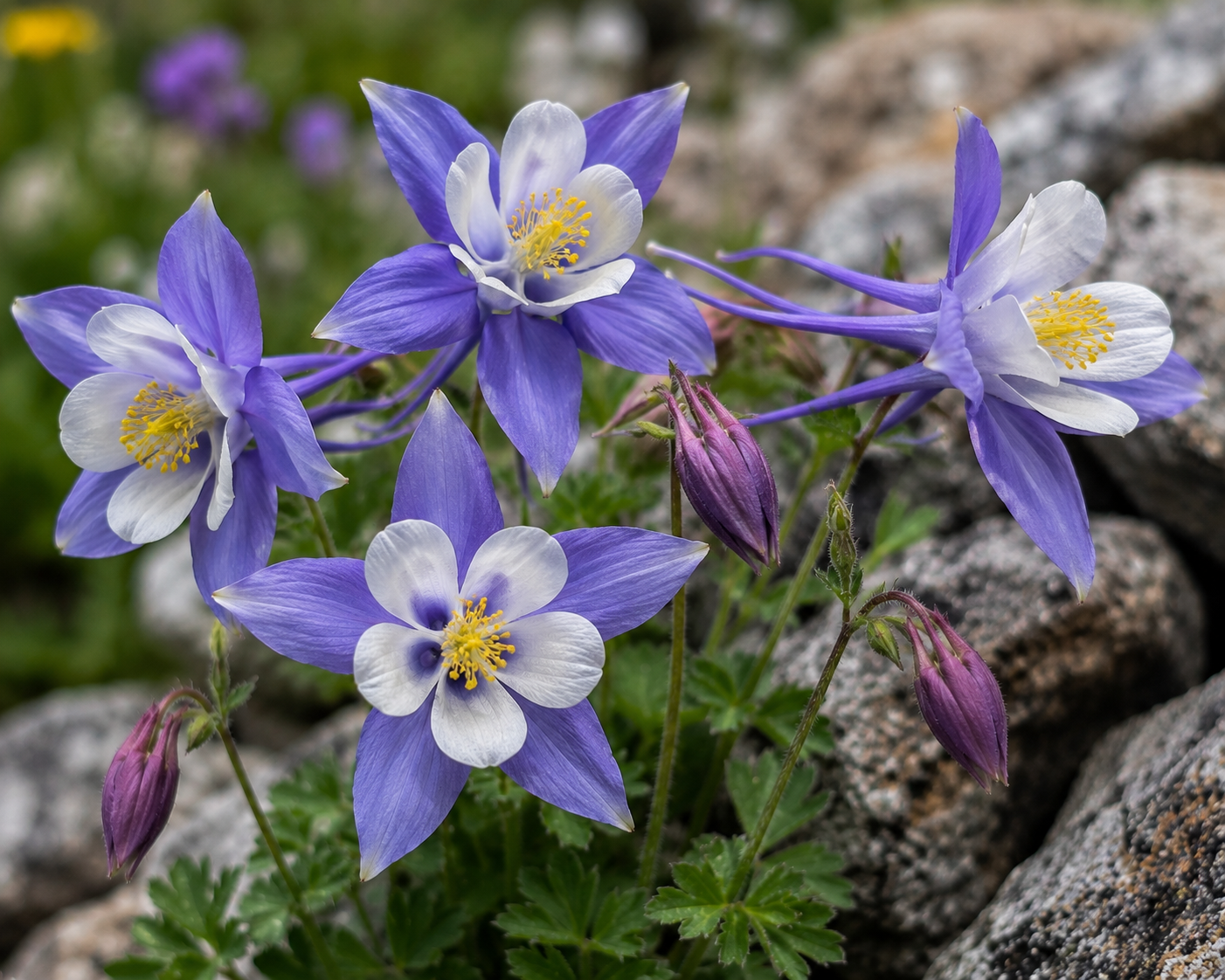
Colorado’s state flower is instantly recognizable by its delicate blue-and-white petals and long spurs. Columbines thrive in moist alpine forests and shaded meadows.
Typical Elevation: 8,000 - 12,000 Feet
Best Time to See: June - August
Fun Fact About Columbine: Colorado’s state flower was officially adopted in 1899 after being chosen by Colorado schoolchildren in a statewide vote.
Experience Colorado's Alpine Wildflowers at Peak Bloom This July
Explore the full schedule of hikes, workshops, art events, and family activities happening during Breckenridge Wildflower Week. Click here for more information about Breckenridge's very first Wildflower Week.
Indian Paintbrush
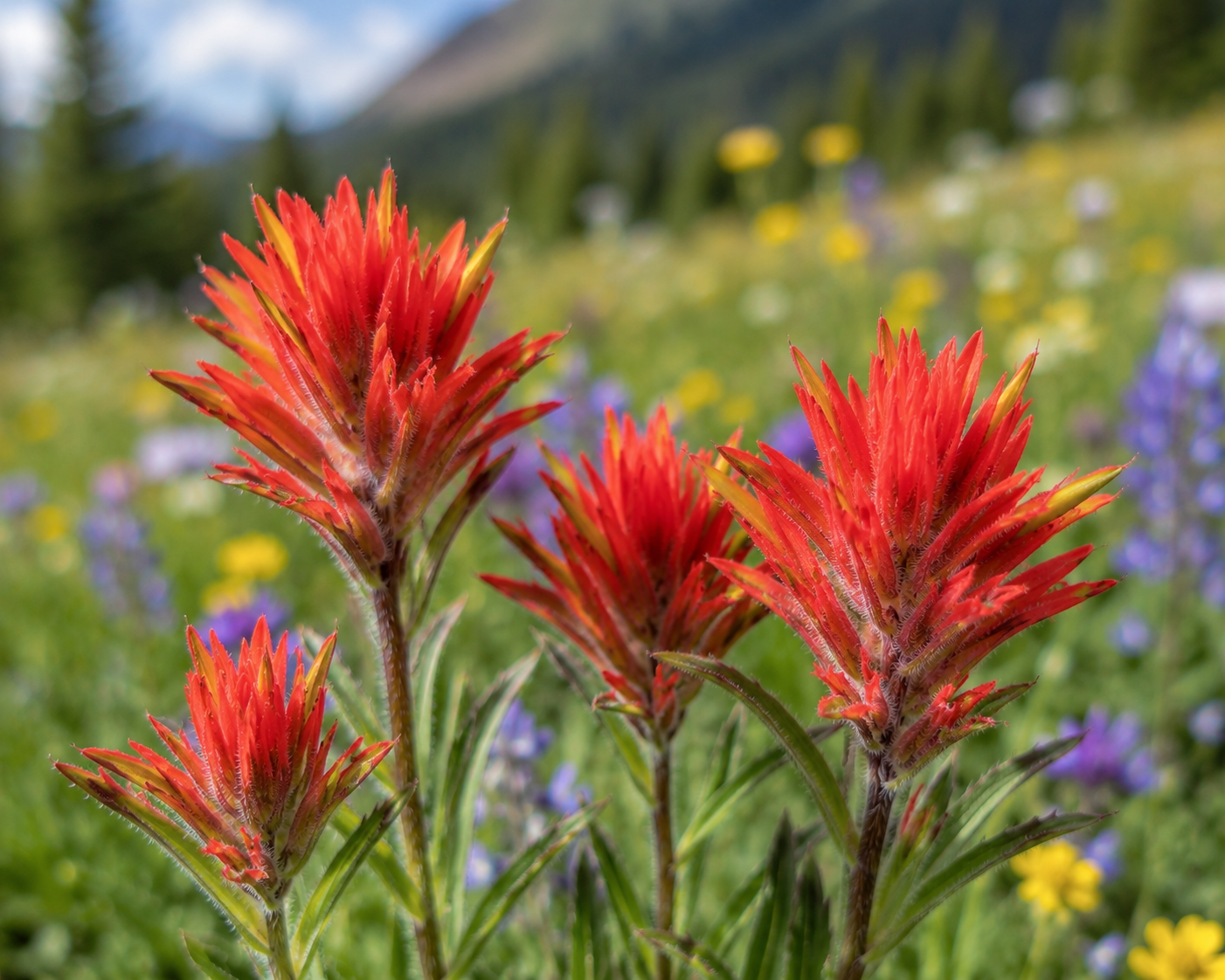
Known for its fiery red, orange, and pink bracts, Indian paintbrush creates dramatic splashes of color throughout Colorado’s mountain landscapes.
Typical Elevation: 8,000 - 13,000 Feet
Best Time to See: July - August
Fun Fact About Indian Paintbrush: Indian paintbrush is partially parasitic, meaning it draws some nutrients from the roots of nearby plants while still producing its own energy through photosynthesis.
Lupine
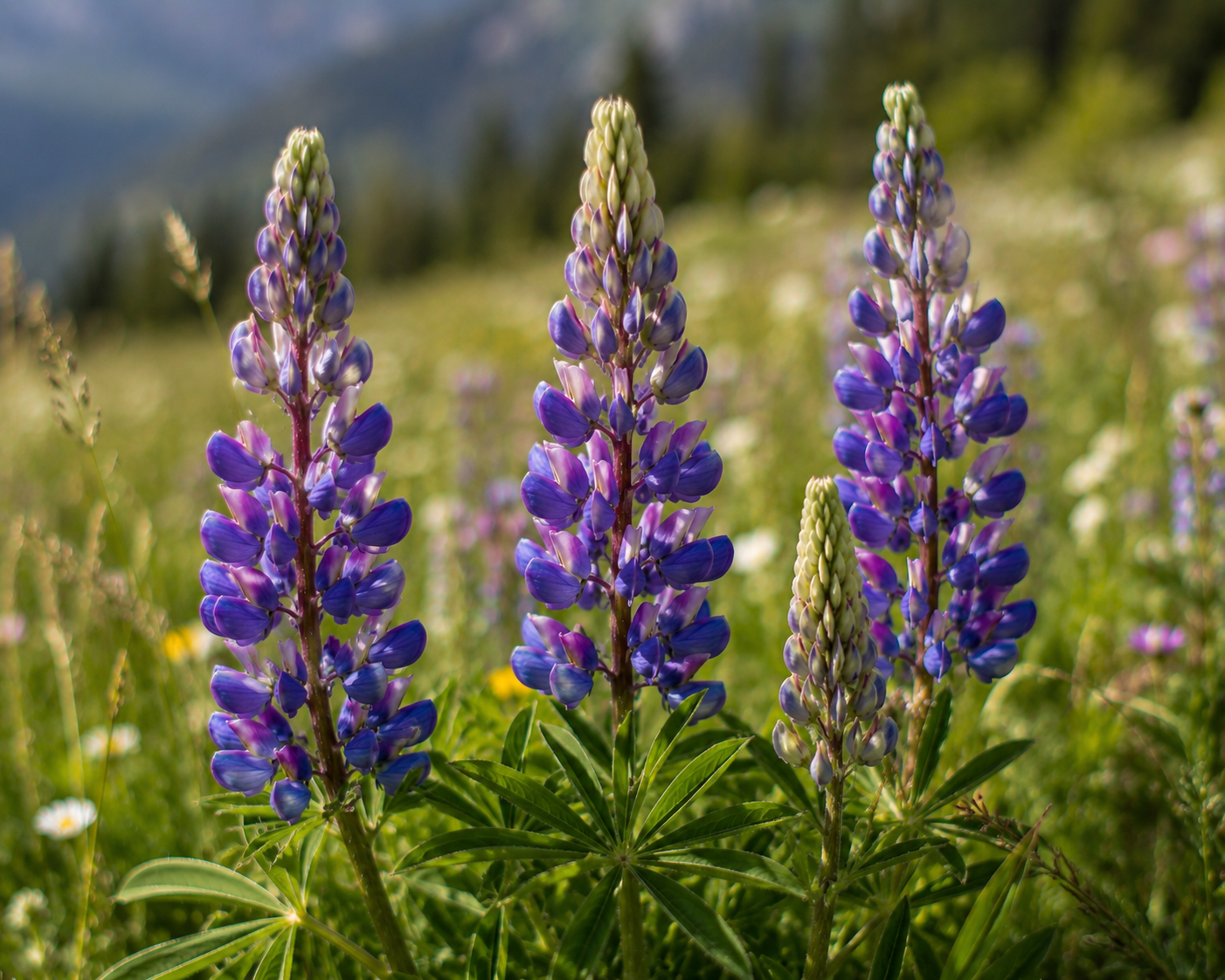
Tall spikes of purple, blue, and sometimes pink flowers make lupine one of Colorado’s most photographed wildflowers, often carpeting open meadows in early summer.
Typical Elevation: 8,000 - 11,500 Feet
Best Time to See: June - July
Fun Fact About Lupines: Lupine helps improve mountain soil by naturally adding nitrogen back into the ground, making it an important plant for alpine ecosystems.
Marsh Marigold
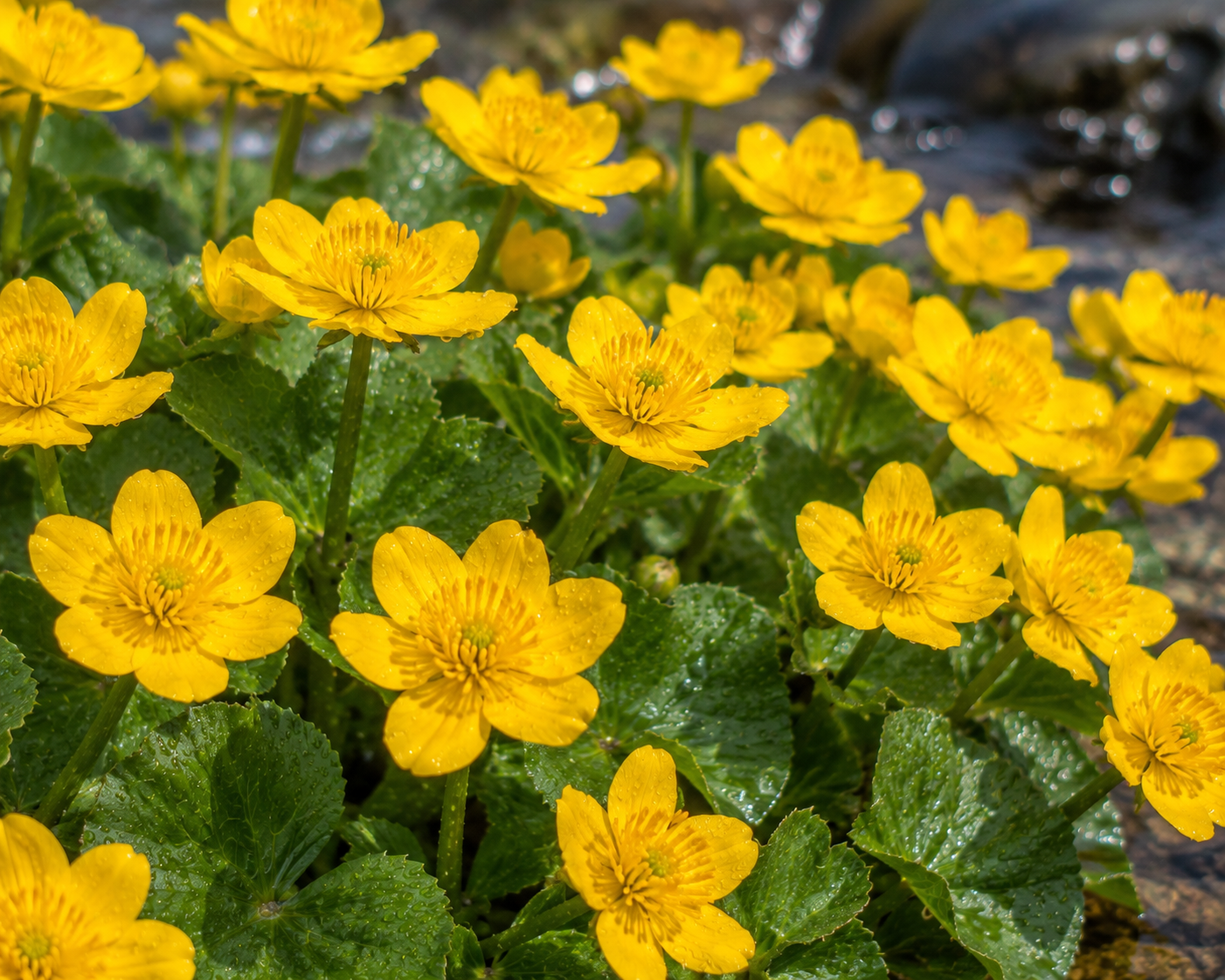
One of the first flowers to emerge after snowmelt, marsh marigolds brighten wet meadows and streambanks with cheerful golden blooms.
Typical Elevation: 8,000 - 11,000 Feet
Best Time to See: May - June
Fun Fact About Marsh Marigold: Marsh marigolds are often among the very first signs that snowmelt season has begun in the high country.
Monkshood
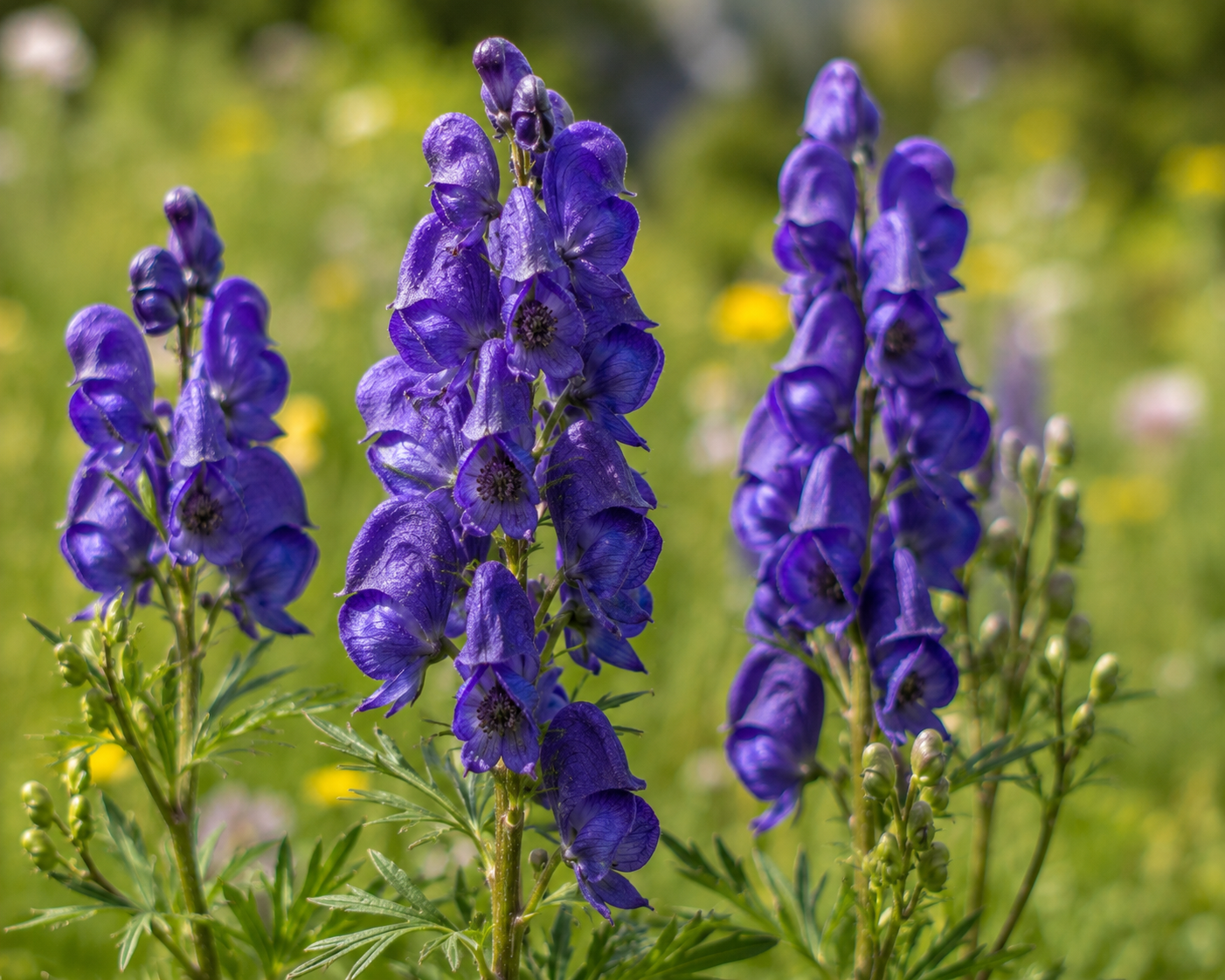
This striking deep-blue flower gets its name from its hood-shaped petals and prefers moist alpine environments. While beautiful, it is also highly toxic.
Typical Elevation: 9,500 - 12,500 Feet
Best Time to See: July - August
Fun Fact About Monkshood: Despite its beauty, monkshood is one of Colorado’s most poisonous native wildflowers and has historically been linked to old medicinal and folklore uses.
Moss Campion
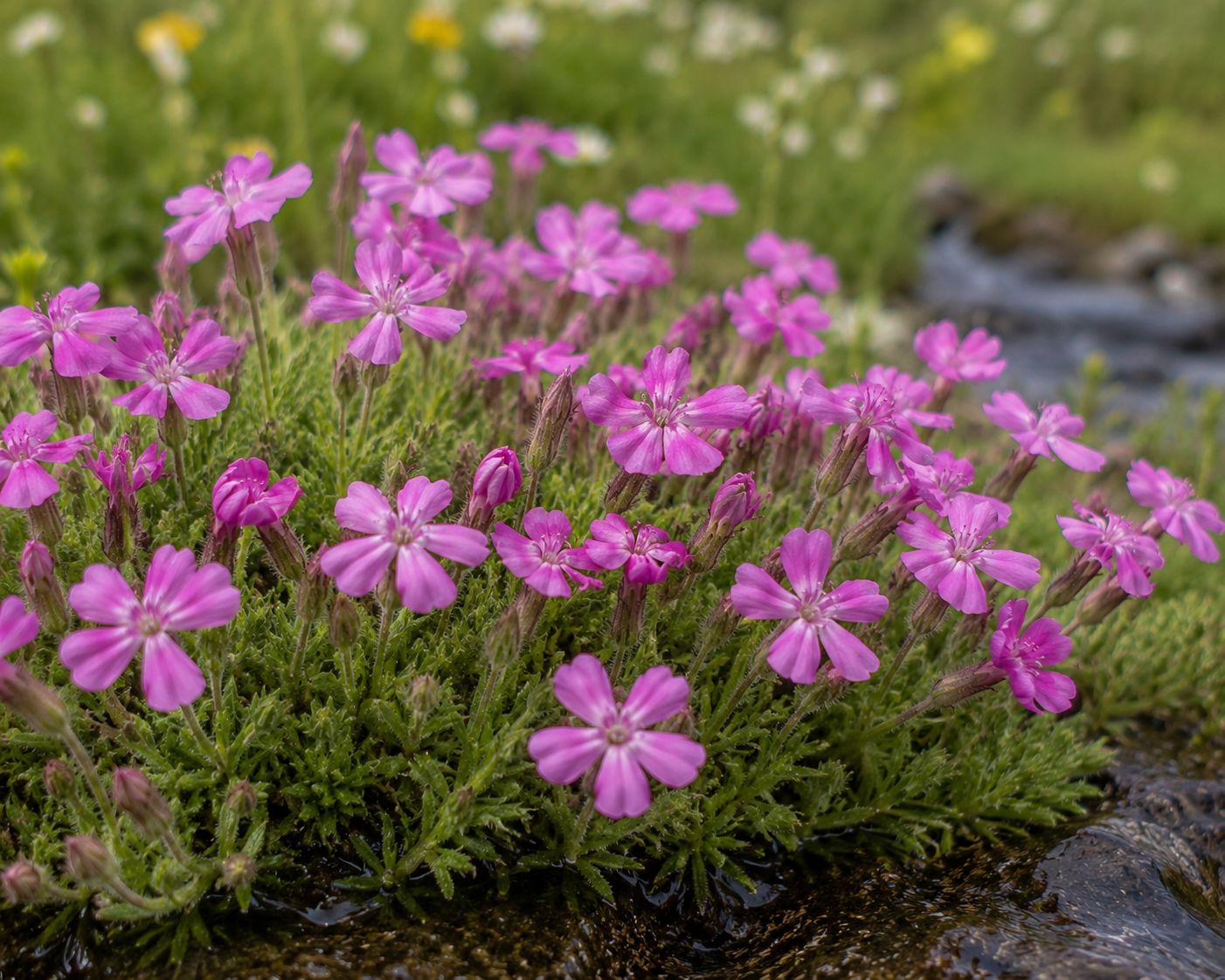
This hardy alpine plant forms dense moss-like cushions dotted with tiny pink flowers, perfectly adapted to Colorado’s windy tundra conditions.
Typical Elevation: 11,000 - 14,000 Feet
Best Time to See: July - August
Fun Fact About Moss Campion: Some moss campion plants are estimated to live for decades and in extreme alpine environments, possibly over 100 years.
Sky Pilot
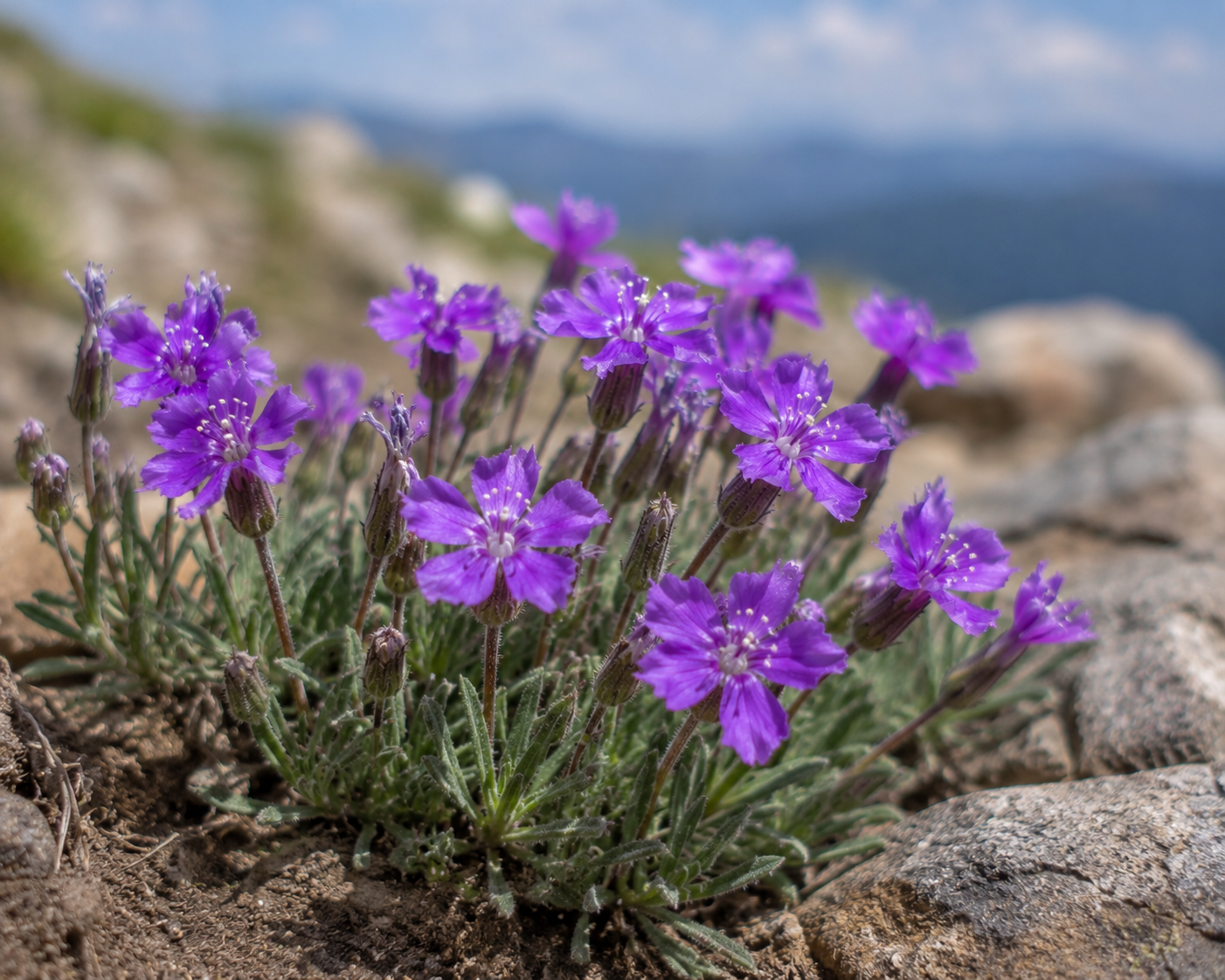
Growing at extremely high elevations, sky pilot produces clusters of fragrant purple flowers often found above treeline in rugged alpine environments.
Typical Elevation: 11,000 - 14,000 Feet
Best Time to See: July - August
Fun Fact About Sky Pilot: Sky pilot gets its name because it grows so high in the mountains that early climbers joked it could “guide pilots through the sky.”
Wild Geraniums
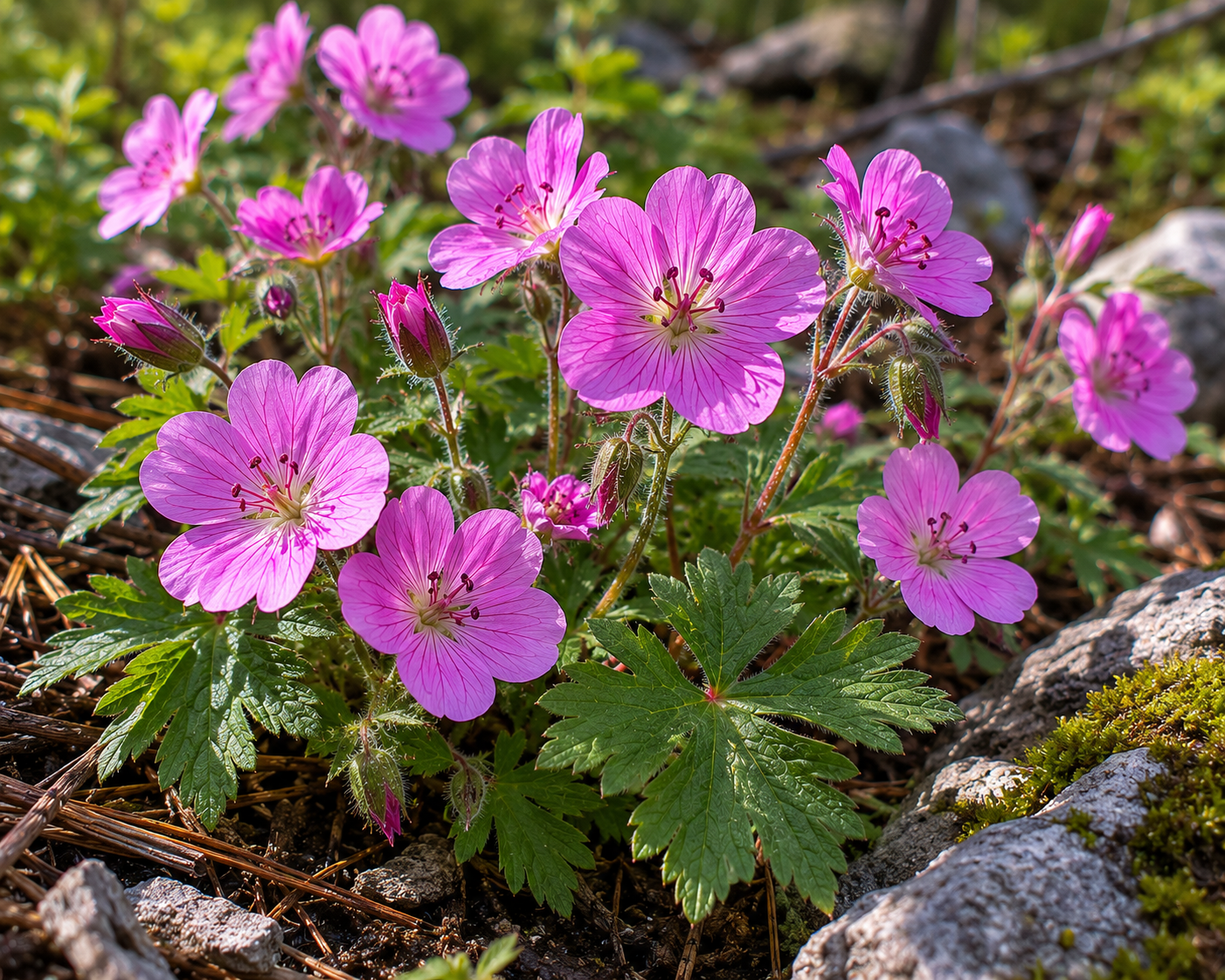
Wild geraniums produce delicate pinkish-purple blooms and are commonly found in forest clearings and shaded mountain meadows.
Typical Elevation: 8,000 - 11,000 Feet
Best Time to See: June - July
Fun Fact About Wild Geraniums: Wild geranium leaves can turn deep red in the fall, adding another layer of color to mountain landscapes after wildflower season ends.
Wild Roses
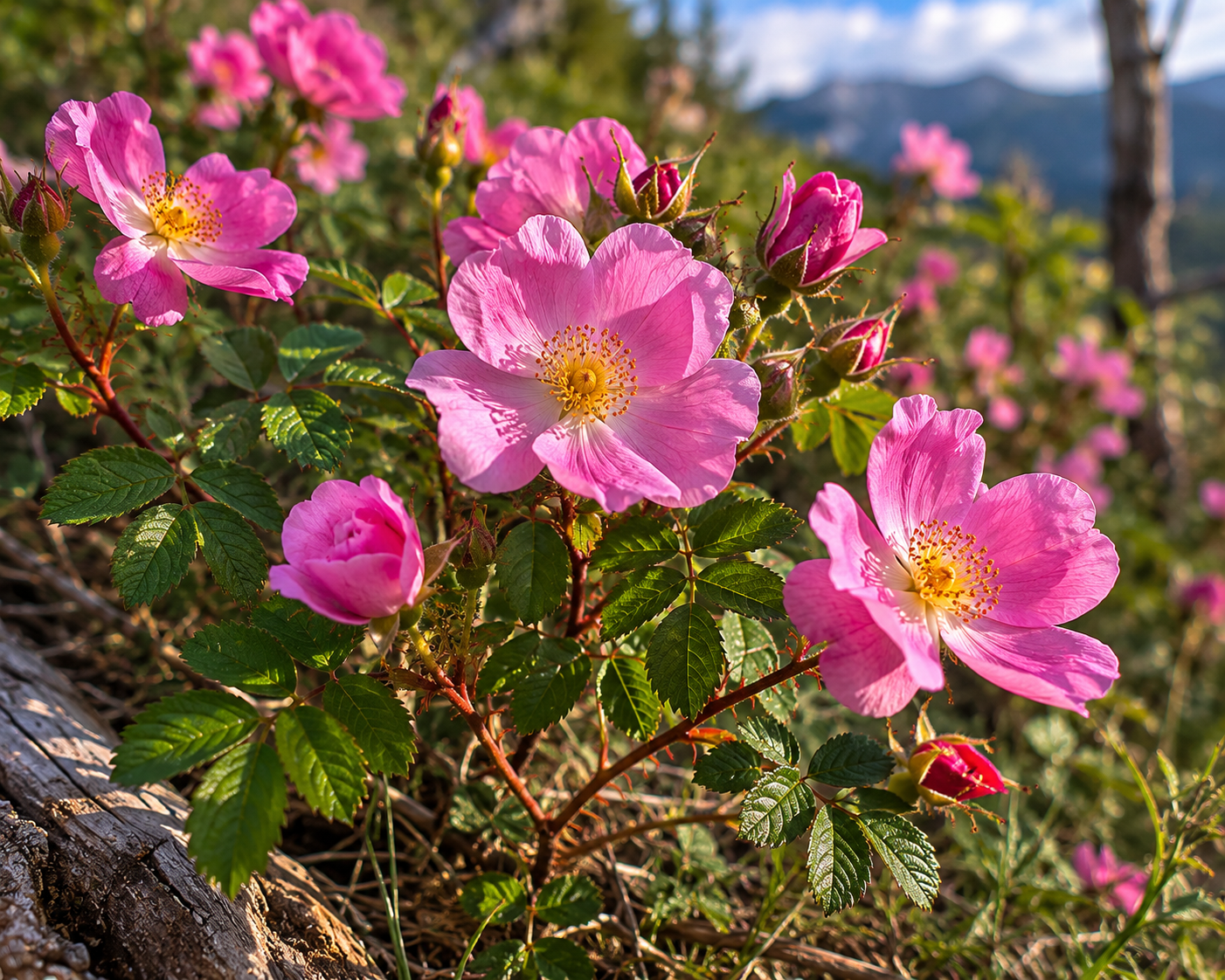
Colorado’s native wild roses bloom with soft pink petals and a sweet fragrance during summer, often lining trails and open hillsides.
Typical Elevation: 7,000 - 10,000 Feet
Best Time to See: June - July
Fun Fact About Wild Roses: Wild roses produce rose hips in late summer and fall, which provide food for birds and wildlife preparing for Colorado winters.
The Best Time to See Wildflowers in Breckenridge
Wildflower season in Breckenridge typically begins in late June and peaks from early July through early August as snow melts across Summit County’s varying elevations. Bloom timing changes each year depending on snowfall, with heavier snowpack often creating a later but longer-lasting wildflower season.
Late June: Lower elevation trails and meadows begin filling in with early blooms like marsh marigolds, bluebells, wild geraniums, and lupine.
Early July: Columbine, Indian paintbrush, lupine, cinquefoil, and wild roses begin reaching peak color across many mid-elevation hiking trails near Breckenridge.
Mid to Late July: High alpine terrain above treeline comes alive with sky pilot, alpine forget-me-nots, moss campion, alpine sunflowers, and alpine daisies during peak wildflower season.
August: Late-season blooms like asters and monkshood continue adding color to alpine meadows and higher elevation trails throughout Summit County.
Want to See Colorado’s Alpine Wildflowers Up Close?
Browse our guide to the best wildflower hikes near Breckenridge and start planning your summer adventure.
Protecting Colorado's Wildflowers
Wildflower season is one of the most beautiful times to explore the mountains surrounding Breckenridge, but alpine environments are also incredibly fragile. Practicing Leave No Trace principles helps protect Summit County’s trails, tundra, and wildflower meadows so they can continue thriving for future summers.
Leave No Trace Tips for Wildflower Season
Stay on Designated Trails: Alpine tundra and wildflower meadows can take decades to recover from a single footprint, especially above treeline.
Leave Wildflowers Where They Grow: Picking wildflowers prevents them from reseeding naturally and removes an important food source for local pollinators.
Respect Restoration Areas and Trail Closures: Seasonal closures and roped-off sections help protect delicate habitats during peak growing season.
Pack Out All Trash and Food Waste: Even small items like fruit peels, snack wrappers, or dog waste bags can impact wildlife and trail conditions.
Keep Pets Under Control: Dogs can unintentionally trample fragile flowers and vegetation, especially in narrow alpine meadows.
Avoid Creating Social Trails: Stepping off trail for photos can damage fragile plants and widen erosion throughout popular hiking areas.
Give Wildlife Space: Wildflower season also brings increased wildlife activity throughout Summit County, including moose, marmots, foxes, and hummingbirds.
Take Photos, Not Flowers: Some of Colorado’s most iconic blooms only last a few short weeks each summer, leaving them for others helps preserve the experience for everyone.
Frequently Asked Questions
1. What time of day is best for wildflower photography?
Early morning and golden hour before sunset typically offer the best lighting for wildflower photography near Breckenridge, with softer light, calmer weather, and fewer crowds. Click here to check out our guide to the best photo spots in Breckenridge for more scenic locations throughout Summit County.
2. What are the best easy hikes for wildflowers near Breckenridge?
Lily Pad Lake Trail, Illinois Creek and Southside Trail, and Miners Creek Road are some of the best easy wildflower hikes near Breckenridge. Click here for our guide to the best wildflower hikes near Breckenridge for more trail recommendations.
3. Are there wildflowers near Boreas Pass?
Yes, Boreas Pass is one of the most popular wildflower viewing areas near Breckenridge, especially in July when lupine, Indian paintbrush, and alpine sunflowers begin filling the meadows.
4. What is Breckenridge Wildflower Week?
Breckenridge Wildflower Week is a summer celebration of Colorado’s alpine wildflower season featuring guided hikes, workshops, family activities, art events, and stewardship programs throughout Summit County. Click here to learn more about Breckenridge's Wildflower Week events and activities.
5. Are wildflowers still blooming in August in Breckenridge?
Yes, many higher elevation trails near Breckenridge continue seeing blooms throughout August, especially late-season flowers like asters and monkshood.
Enjoy Every Season in the Colorado High Country
From wildflower-filled summers to powder days in winter, owning a home in Breckenridge and Summit County means having a place to return to in every season. Whether you’re searching for a vacation home, legacy property, or rental investment opportunity, the local experts at Breckenridge Associates Real Estate can help you reach your real estate goals in the mountains, call us today at 970-453-2200.
Posted by Breckenridge Associates Real Estate on
Enjoy this blog post? Click here to subscribe for updates
Leave A Comment